Dry pedicure is more than simply doing a pedicure without soaking the feet. It is a controlled technique that allows a nail technician to see, assess, and work with the skin in its natural state.
Unlike a traditional pedicure, the feet are not soaked in water before the treatment. Instead, dry and hardened skin is treated mechanically using an e-file and professional abrasives.
For me, the goal of a professional dry pedicure is not to remove as much skin as possible. It is to remove only what needs to be removed, while maintaining the natural protective function of the skin.
Why work on dry skin?
When the skin is dry, its condition is easier to evaluate. You can see areas of pressure, callus formation, dryness and cracks more clearly and make better decisions about how much work each area actually requires.
This is especially important when working with heels. A perfectly smooth heel immediately after a pedicure does not necessarily mean that the treatment was performed correctly. Aggressive removal can leave the skin overworked and may contribute to discomfort and faster return of hard skin.
Good technique is about control, not maximum removal.
How does an e-file dry pedicure work?
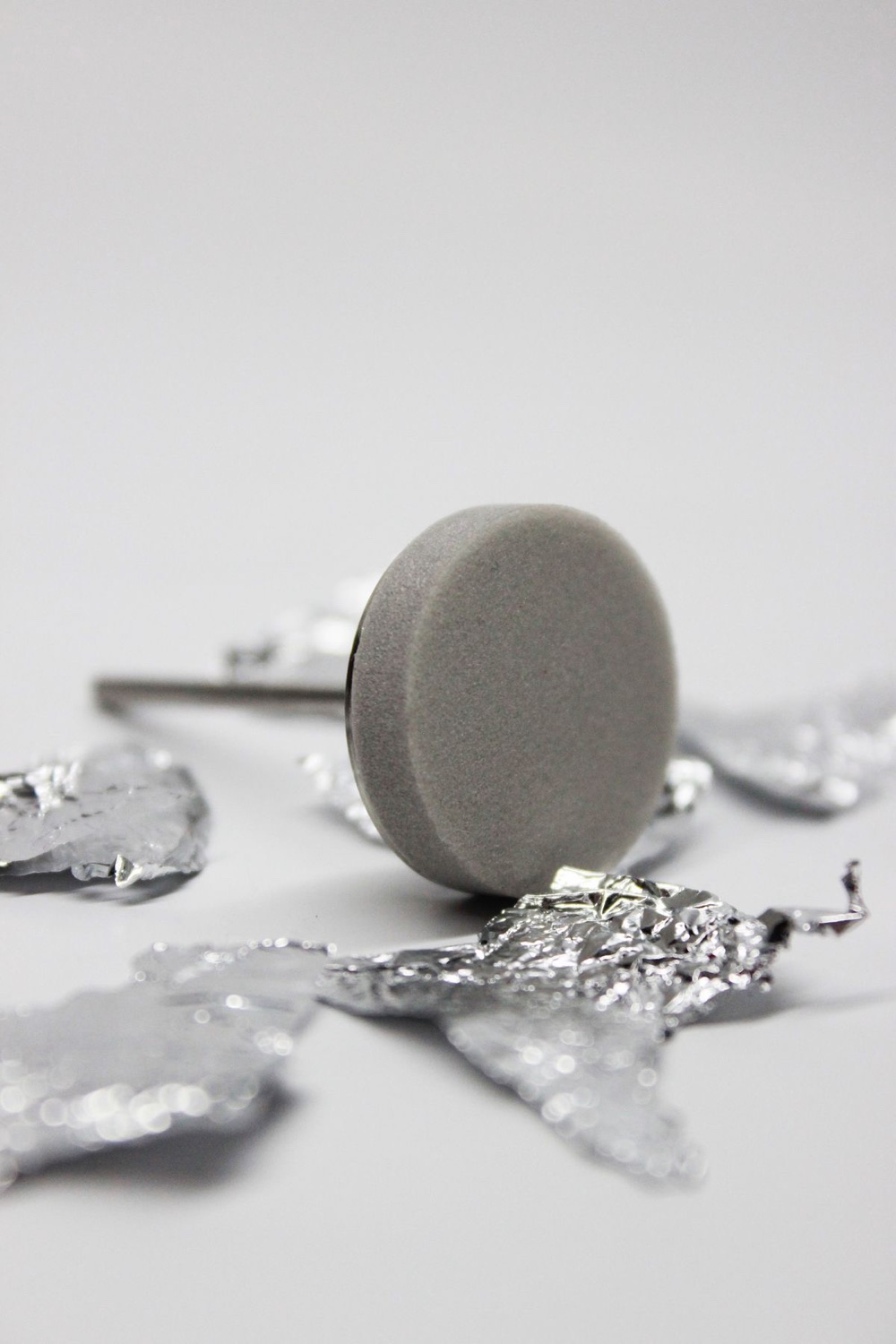
In professional dry pedicure, an electric file can be used with specialized pedicure discs and abrasives to gradually reduce hardened skin.
Different abrasive grits have different purposes. The technician adjusts the abrasive, speed and pressure according to the condition of the skin rather than using exactly the same procedure on every client.
The work should be progressive and controlled. The objective is not to chase perfectly pink, ultra-thin skin.
Healthy skin should remain.
What about cracked heels?
Cracked heels require even more precision. A crack is not simply something that should be aggressively filed away until it disappears. Its depth, surrounding skin and pressure on the heel all need to be considered.
In some cases, one appointment should not be expected to completely correct the problem. Professional treatment may involve gradual work over multiple appointments, appropriate finishing and strategies designed to reduce pressure while the skin recovers.
Knowing when to stop is just as important as knowing how to use the tool.
Dry pedicure is a technique — not just a tool
Buying a pedicure disc does not automatically create a good dry pedicure. The result depends on the technician's ability to:
- assess the condition of the skin;
- choose the appropriate abrasive;
- control speed and pressure;
- recognize when enough skin has been removed;
- work safely around cracks and sensitive areas;
- create a clean finish without overworking the skin.
This is why I teach dry pedicure as a method, rather than simply demonstrating which tools to use.
Why I teach this method
After years of working with clients, I have seen how much difference proper technique makes — not only in how the heels look immediately after the appointment, but in the quality and consistency of the technician's work.
My approach is based on precision: understanding what you are looking at, knowing why you are performing each step and learning to control the result rather than simply following a sequence. That is also the foundation of the way I teach.
If you're a nail technician who wants to learn my dry pedicure technique step by step, you can explore my professional training below.